
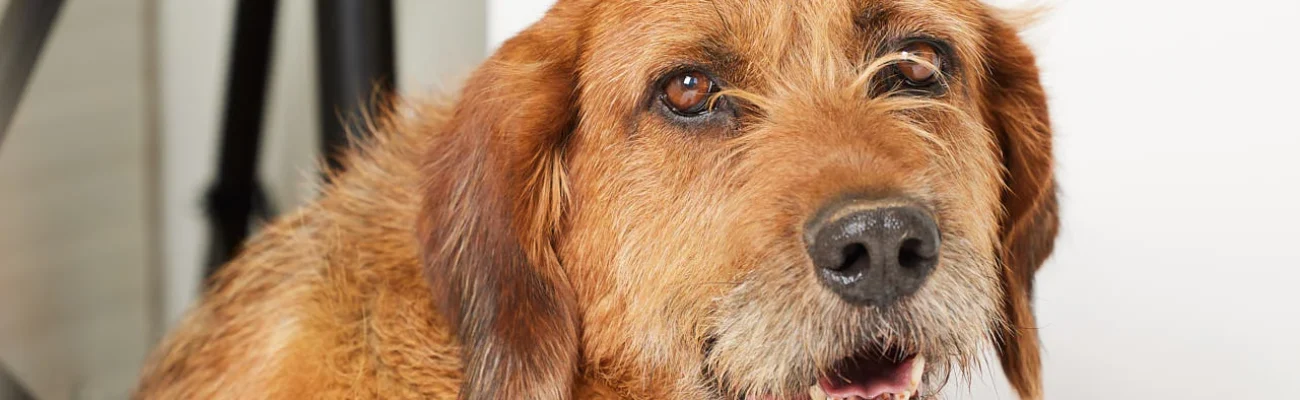
It is very important during the first few days to give our dog time to adjust to our
new home.
Give them space and allow them to approach you on their own. Do not chase
them in order to hug or pet them, thinking that this will help them relax. Do not invade their personal space. When they are ready, they will come to you.
Do not bring friends over yet to meet the dog. Everyone needs to be a little
patient that will happen too, but after a few days when the dog is more comfortable.
If you have children, explain to them that the dog needs time and space to feel safe before being able to play with them. Try to provide a quiet and calm environment during the first few days.
Walks should take place in areas and at times in low-stimulus environment. Avoid crowded places and places with many dogs. All of these will come later. For now, find a quiet route for your walks during the first period.
Children and Dogs
Dogs and children often become inseparable friends. However, children are
usually the age group that receives the most dog bites.
This happens because children often behave unpredictably. They may think the
dog is a toy and do not realize that they might be hurting it. Their movements
can be intense, and they often express affection through tight hugs and other
actions that a dog may perceive as threatening and feel the need to defend itself.
Let’s establish some rules and teach our children to follow them. This will create
a much safer environment. (The same rules apply to adults as well, whether they
are family members or not.)
It is very important for children to understand that:
For parents
Never leave children and a dog unsupervised. Children might unintentionally hurt the dog, and even during play an accident can occur.
Punishment and Reward
Dogs that come from shelters are usually dogs that have already been through a
lot: abandonment, survival on the streets, or abuse. What they need is safety and
respect so their physical and emotional wounds can heal.
Any form of violence, whether physical or verbal, can only cause harm — both to
the relationship with the dog and to the dog itself.
In general, we avoid punishment. Punishment does not teach the dog anything; it
simply suppresses behaviors.
We should think about what we want the dog to do, not what we do not want.
For example, if I do not want my dog to jump on me, I should focus on what I
want instead and reinforce that behavior. Instead of scolding the dog when it
jumps, I can give it a treat every time it sits.
All research shows that dogs learn better through reward than through
punishment. Punishment causes stress and fear, and a behavior decreases
mainly because the dog fears the unpleasant consequence. When fear is present,
the learning process is blocked.
It is not a coincidence that even guide dogs for the blind, which perform some of
the most complex tasks a dog can learn, are trained using reward-based methods
rather than corrections or punishment.
If we can teach a dog to safely guide a blind person in a city environment, crossing streets, avoiding obstacles, finding entrances, stairs, elevators, and
much more, using rewards, then it makes little sense to use punishment for
simple behaviors such as pulling on the leash or learning to be calm at home.
Enrichment and Chew Toys
All dogs need objects they can chew on. Chewing is a natural behavior (especially
for puppies) that cannot be suppressed, but it can be redirected.
We can teach them what they are allowed to chew and what they are not.
Chewing helps dogs deal with stress. Dogs that spend many hours alone also
benefit because it gives them something to do and helps reduce boredom. Dogs
that do not get enough physical or mental stimulation also benefit greatly from
chew items.
A very good example is a Kong toy (an enrichment or puzzle toy). However, we must teach our dog how to use it. If we make it too difficult from the beginning and the dog cannot get the food out, it will quickly become frustrated and give up. It is similar to children — if a game is too difficult and they cannot succeed, they lose interest.
At the beginning we want to build a positive association with the toy. So for a
while we simply put very tasty treats inside, in a size that allows them to come
out easily.
When the dog finishes, we pick the toy up rather than leaving it on the floor
where it might become boring.
For dogs that show resource guarding, we pick it up when the dog is in another
room.
Once we have built a good relationship with the toy, we can gradually increase
the difficulty: use larger treats that are harder to remove, add something creamy such as yogurt or soft cheese with the kibble, freeze the mixture so it lasts longer.
Eventually the dog can even eat its entire meal through these toys.
Other chewing options include calcium bones (be careful, some pet stores sell
types that soften and are eaten too quickly) and dog treat balls.
Preparing the Space
It is very important to prepare the dog’s living area before it arrives. The room should be arranged so that there are no personal items the dog can chew. Pay special attention to electrical cables. Dogs may chew objects due to stress, boredom, or simple curiosity. Common targets include: chairs, sofas, pillows, rugs, shoes, slippers, clothes, magazines, books, remote controls, CDs. Remove as many of these as possible and instead enrich the space with items the dog is allowed to chew. If it is not possible to fully prepare the space, you can use a play penn and a crate. The crate is especially a very useful tool and is recommended regardless of whether the room is fully prepared. It would also be wonderful for your dog to be welcomed by a pleasant surprise. Before the dog arrives home, scatter several tasty treats around the floor. This will help the dog create a positive association with its new home.
Toilet Training
Although toilet training is actually very simple, it causes difficulties for many people. It is very easy to teach our dog not only where to relieve itself, but even when to do so. The secret to success is constant supervision. When bringing the dog home for the first time, the entire process is stressful for the dog: leaving a familiar environment, meeting new people, traveling in a car, new smells, and a completely new environment. It is very likely the dog will need to relieve itself immediately after getting out of the car. So when we arrive home, we immediately take the dog on leash to the
predetermined toilet area. Give the dog enough time to feel comfortable and relieve itself. Offering some water may help. Once the dog goes to the toilet, praise enthusiastically and give a very good treat. Congratulations, you have just completed the first and most important step. Afterward, allow the dog to explore the new home and relax. From then on, simply give the dog regular opportunities by taking it to the same spot. Always bring a good treat with you.
Dogs usually need to go
At those moments, take the dog to the toilet area.
When the dog begins to relieve itself, softly say a cue word such as “go potty.”
Once finished, praise again and reward with a treat.
Over time, the dog will associate the word with the action and the reward.
We will always keep an eye on the dog in the early days for any signs that he wants to go to the toilet. Most dogs when it is time to go to the toilet start sniffing the ground and circling. If you see such behavior immediately talk to him politely to distract him without scaring him and take him as quickly as you can to the designated place. There is always the possibility that the dog may not be able to do it in the first few hours or even the first couple of days after due to the stress of the change. So if he doesn't do it as soon as he gets out of the car or in the following hours, we continue to take him out every 2-3 hours and pay attention while he is inside for any signs that he wants to go to the bathroom (sniffing around, whining). It is very likely that we will have accidents at first, especially if he has been in a crate for a long time and learned to do it where he lived.
If an accident happens inside the house, never punish the dog. Punishment will
only add stress and may cause the dog to hide when it needs to go to the toilet.
Walks
During the first period, choose walking routes with few stimuli. Do not try to
meet other dogs or many people.
Walk with a loose leash. Do not hold it tight and tense because that creates stress
for both you and the dog. Stay relaxed. If you are calm, your dog will also be calm. It is extremely important to allow dogs to sniff during walks. Simply walking with the dog constantly at your side is not really a walk. Dogs understand the world primarily through their sense of smell.
When sniffing a tree, bush, or pole, they can gather information about animals that passed there, their age, size, sex, physical condition, and more.
So we must give them time to sniff. This doesn't mean we let our dog drag us here and there.
We only walk with him when the leash is loose. When he pulls, we stop and wait for him to relax before we can continue. We don't pull him back! We just wait for the leash to relax. Continuing the walk is the best reward at that moment and he will soon understand that the leash must be loose in order to continue. When we see a tree ahead or a bush that he wants to sniff, we help him by leading him before he pulls.
Whenever the dog walks calmly beside you, reward occasionally with a treat.
Using this approach creates a pleasant routine for both of you.
A harness is usually preferable to a collar. The collar creates a feeling of pressure. In dogs that have a tendency to pull, it damages the trachea. They have very strong muscles and a high tolerance to pain, many times while they are choking they continue to pull, damaging the internal organs of the throat without realizing it.
Finally, never let the dog off leash, especially at the beginning. A dog that has not yet bonded with you may run away or panic and get lost. There are too many dogs that get lost this way. We only take the leash off in a fenced area. Alternatively, you can get a training harness if you want to give him more freedom but also be sure that he won't get lost. There are various types and sizes 10, 15 and 20 meters.
Guarding
Guarding in dogs is a very normal and common behavior. Imagine two dogs free in the wild. One guards his food and the other lets it be taken from him. Which of the two has a better chance of surviving?
Possible resources include:
This behavior is especially common in dogs that have lived on the streets. Dogs that seems to behave like this need attention and special treatment.To avoid creating or worsening guarding behavior: do not disturb the dog while eating, do not leave food bowls on the floor all day and give valuable chew items inside their crate.
If the dog picks up something you do not want it to have, do not chase it. If he takes an object that we have left exposed (we are always careful about leaving our things out, especially at first until the dog learns what we are teasing and what not to do) we calmly call the dog and distract it with another toy or trade the item for a treat.
Although a dog may not have shown signs of guarding behavior until now, if we repeatedly take items away from them can actually teach them to guard them.
If there are multiple dogs at home, always feed them separately, preferably in their own crate.
We also do the same for valuable objects such us bones and Kongs, we only give them in their crate.
The Crate – A Safe Den
Most dogs naturally like to curl up under tables or chairs. It is instinctive for them to seek sheltered spaces.
It is very important that the dog has its own personal space where it will feel safe and can go whenever it needs to relax.
A crate can become the dog’s personal safe place if introduced properly. It can be used for sleeping, feeding, chewing toys, and relaxing.
Crates can also help with separation anxiety a lot.
They have a safe place to go and sit without the risk of getting injured or damage the house when everyone is away.
It it also very helpful in toilet training.
Dogs naturally avoid to litter where they sleep and where they eat.
If we work it out correctly and with a schedule, we can avoid accidents during the night, during our absence, and other times when we are unable to supervise our dog.
Especially in the first days, it is essential that it has a space of its own where it can relax until it adapts to its new home.
As with everything, the crate should be used wisely and not overused. It should never be seen as a punishment by our dog and the maximum time we will leave the dog in during the day, either because we are away or because we have to do some work at home and we cannot supervise it, will be a maximum of 6 hours strictly. Later, when the dog adapts to its new home, we will leave it open.
It is very easy for a dog to learn to go into its crate.
We can start by simply creating a desire in the dog. We put very tasty treats inside (salami, cheese, sausage) and close it so that it cannot get in. It will go outside the cage and try to get in.
When we see that they really wants to go in, we open the door and let them in and eat the treats. If we do this a few times, we will have built a very strong desire for the crate.
Feeding meals inside the crate will strengthen the positive connection even further.
Also, we can tie the Kong, calcium bones or anything else they want inside the crate to prevent them from taking them and going outside to chew on, but to engage with them inside the cage and increase its value even more. Inside, we can have a soft mattress or blankets to make them comfortable.
Separation Anxiety
Separation anxiety is one of the most difficult issues to treat, so prevention is
extremely important. Shelter dogs often become very attached to the people who care for them and
may panic when left alone.
Shelter dogs often become very attached to the people who care for them and may panic when left alone. From the first day, it is important for the dog to learn to spend short periods alone, even when you are at home. Using a playpen or crate for short periods helps the dog learn independence and gives them time to enjoy their toys.
Even if the dog complains a little at first, give it time to relax. Dogs with separation anxiety truly suffer.
However, do not overdo it, we are talking about short periods (30–60 minutes) while you are at home.
The “Honeymoon”
It takes time for a dog to feel safe enough to reveal its true personality. During the first weeks, the dog may behave cautiously and show many desirable behaviors. This is a great opportunity to reinforce those behaviors so they remain strong later. Many people ignore good behavior and only pay attention when the dog does something undesirable. But attention itself is a powerful reward, even negative attention. Instead, whenever the dog is calm or playing quietly with its toys, praise it and offer treats. If we reinforce these habits from the beginning, we will likely avoid many problems later. Every behavior a dog shows, whether barking, jumping, demanding attention, stealing objects, or being calm and polite, is usually a behavior that humans have unintentionally reinforced.